What makes these locations stand out is not just what is said about them, but how consistently people describe similar experiences. Visitors from completely different backgrounds often report the same types of feelings such as discomfort, unease, or a strange awareness of their surroundings. This pattern raises an important question. Are these reactions purely psychological, or is there something about certain environments that affects people in ways that are not fully understood?
Aokigahara Forest and the Psychology of Silence
Aokigahara Forest, located near Mount Fuji in Japan, is known for its dense structure and unusual silence. Unlike most forests, where natural sounds create a continuous background, Aokigahara absorbs sound in a way that makes the environment feel unnaturally still.
Many visitors report a strong sense of isolation even when they are not far from others. The uniform appearance of the trees and the lack of clear visual reference points can create disorientation. From a psychological perspective, environments with reduced sensory input can increase internal awareness, making thoughts and emotions feel more intense.
Research on environmental perception discussed by National Geographic explains that silence and visual repetition can amplify emotional responses, especially in unfamiliar settings. This helps explain why many people experience heightened anxiety in places like Aokigahara.
At the same time, some visitors describe hearing sounds or sensing movement despite the forest’s quiet nature. These experiences are difficult to verify, but their repetition over time contributes to the forest’s reputation.
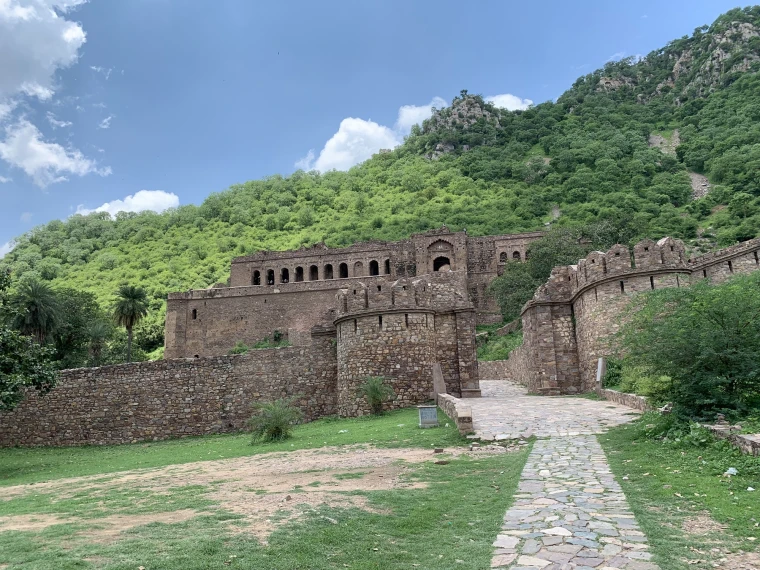
Bhangarh Fort and the Influence of Belief
Bhangarh Fort in India is widely known for its association with a curse and for restrictions that prevent entry after sunset. This combination of legend and official limitation creates a powerful psychological effect even before someone steps inside.
The story most often linked to the fort involves a sorcerer whose actions supposedly led to the site being abandoned. While there is no historical evidence confirming this narrative, its influence on perception is significant. When people enter a place already labeled as dangerous or forbidden, their awareness increases, and ordinary details can take on unusual meaning.
Studies referenced by BBC show that expectation plays a major role in how environments are interpreted. A sound, a shadow, or a shift in temperature may feel far more intense when a person believes they are in a haunted location.
At Bhangarh, the combination of decaying structures, isolation, and reinforced storytelling creates an experience where belief and environment work together. Even without confirmed paranormal activity, the impact on visitors feels real.
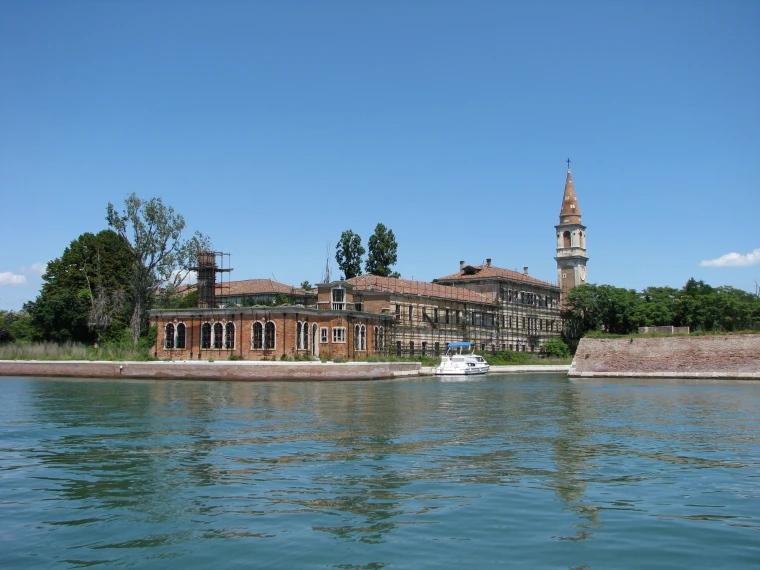
Poveglia Island and Historical Imprint
Poveglia Island in Italy is often associated with disease outbreaks and its past use as a psychiatric facility. Unlike places that rely mostly on legend, this location has a documented history connected to suffering and isolation.
When people visit places with such backgrounds, their reactions are influenced not only by what they see but also by what they know. Human perception is strongly shaped by context, and locations tied to intense historical events tend to leave a deeper emotional impression.
According to analysis published by Smithsonian Magazine, environments connected to trauma can trigger psychological responses even when there is no direct stimulus. This suggests that memory and narrative play a key role in how places are experienced.
Despite this, visitors continue to report sensations such as anxiety, unexplained sounds, or a persistent feeling of discomfort. Whether these reactions are entirely psychological or influenced by something less understood remains uncertain.
Eastern State Penitentiary and Environmental Design
Eastern State Penitentiary in the United States offers a different type of experience because it is accessible and well preserved. Its reputation is not based solely on stories but also on its design and historical function as a prison focused on isolation.
The structure of the building plays a major role in how it is perceived. Narrow hallways, limited light, and enclosed spaces create an environment that naturally produces tension. Visitors often report hearing footsteps or distant sounds even when the area appears empty.
Studies discussed by Scientific American highlight how architecture can influence emotional responses. Environments that restrict visibility and alter acoustics can create a heightened sense of awareness and unease.
In this case, the design itself may explain many of the reported experiences. However, the consistency of these reports suggests that the environment has a stronger impact than people might expect.
Why These Places Continue to Affect People
What connects all of these locations is not a single explanation but a combination of factors that interact with each other. Environmental conditions, historical context, and personal expectation all contribute to how these places are experienced.
Common elements include limited sensory input, strong narratives, isolation, and repeated reports from different individuals. When these factors overlap, they create an experience that feels more intense and more difficult to explain.
Instead of forcing a single conclusion, it may be more accurate to see these places as environments where perception is amplified. People are not just reacting to what is physically present but also to what they expect, what they know, and how their minds interpret uncertainty.
These locations remain relevant because they challenge simple explanations. They exist in a space where logic and experience do not always align perfectly, and that tension is what keeps them fascinating.