When visibility is reduced, the brain compensates by becoming more alert. Small sounds feel louder, shadows appear more defined, and the imagination becomes more active. This is not a flaw in human perception. It is a survival mechanism designed to detect potential threats in low-information environments.
How the Brain Responds to Uncertainty
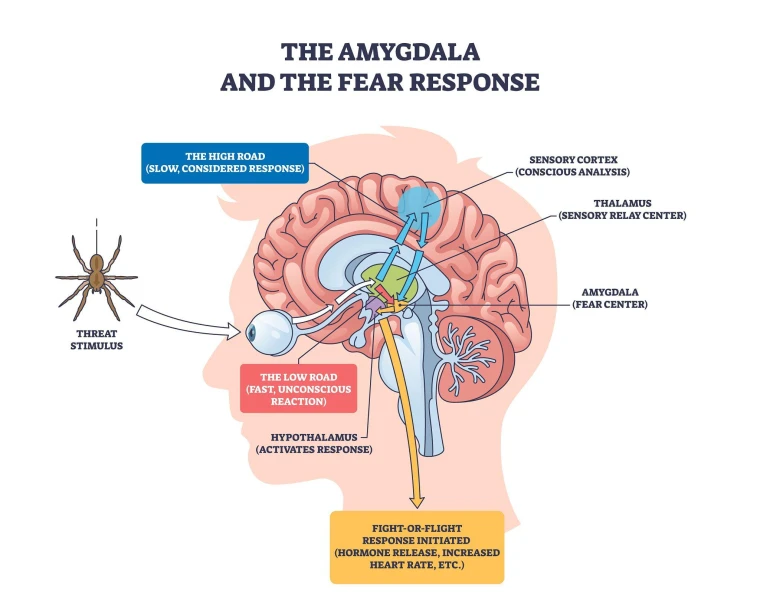
The brain is constantly predicting what might happen next based on available input. In well-lit environments, these predictions are relatively accurate because visual data is clear. In darkness, however, the lack of information forces the brain to rely more heavily on assumptions.
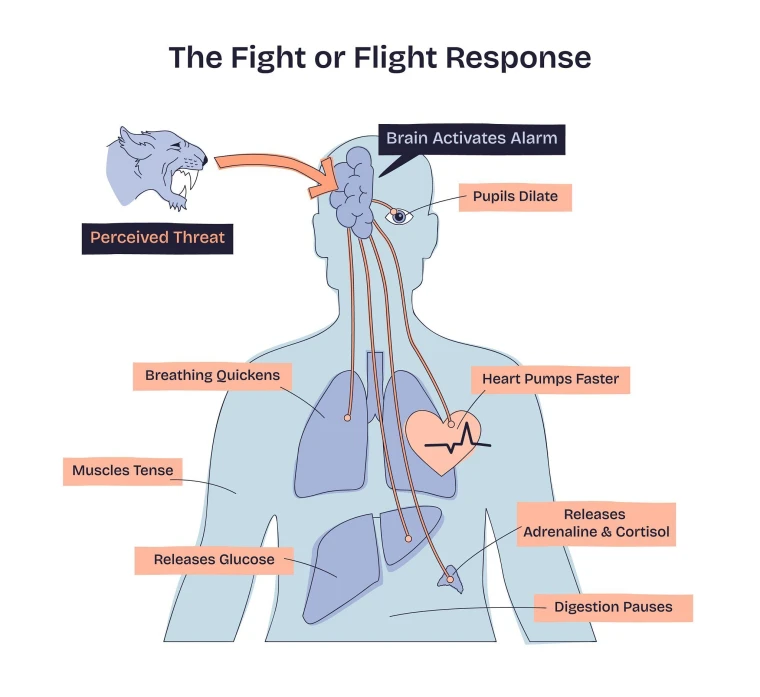
According to research discussed by Scientific American, uncertainty increases neural activity related to threat detection. This means that when people are unable to clearly see their surroundings, they become more sensitive to potential danger, even when no real threat is present.
This explains why ordinary environments can feel completely different when the lights are turned off.
Why Darkness Feels Like Presence
One of the most commonly reported sensations in dark environments is the feeling that someone or something is nearby. This is not necessarily linked to external stimuli but rather to how the brain processes incomplete information.
When visual input is limited, the brain begins to “fill in the gaps.” Shadows may be interpreted as movement, and silence may be interpreted as anticipation. Over time, this creates the impression that something is present even when there is nothing there.
Studies referenced by National Geographic show that humans are particularly sensitive to potential human-like shapes and movements, especially in low-light conditions. This sensitivity increases the likelihood of misinterpretation.
Cultural Influence on Fear
Fear of the dark is not only biological but also cultural. Stories about spirits, creatures, or unknown entities often take place at night or in darkness. These narratives reinforce the idea that darkness is associated with danger.
Over time, these cultural patterns shape how individuals interpret their experiences. A sound at night may be perceived differently depending on what a person has learned or heard in the past.
Analysis discussed by BBC highlights how belief systems influence perception. What one person interprets as a natural occurrence, another may interpret as something unexplained.
Why Fear Persists Into Adulthood
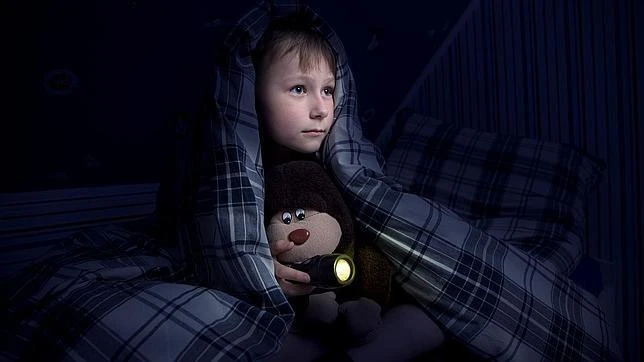
Although fear of the dark is often associated with children, it does not disappear completely with age. It becomes more subtle but remains active in unfamiliar environments, isolated spaces, or situations where control is limited.
This persistence is linked to the brain’s core function of risk assessment. Darkness represents a lack of control, and the human mind naturally responds by increasing alertness.
Even when a person knows logically that there is no threat, the emotional response can still occur. This disconnect between logic and feeling is what makes fear so difficult to ignore.
A Natural Response, Not a Weakness
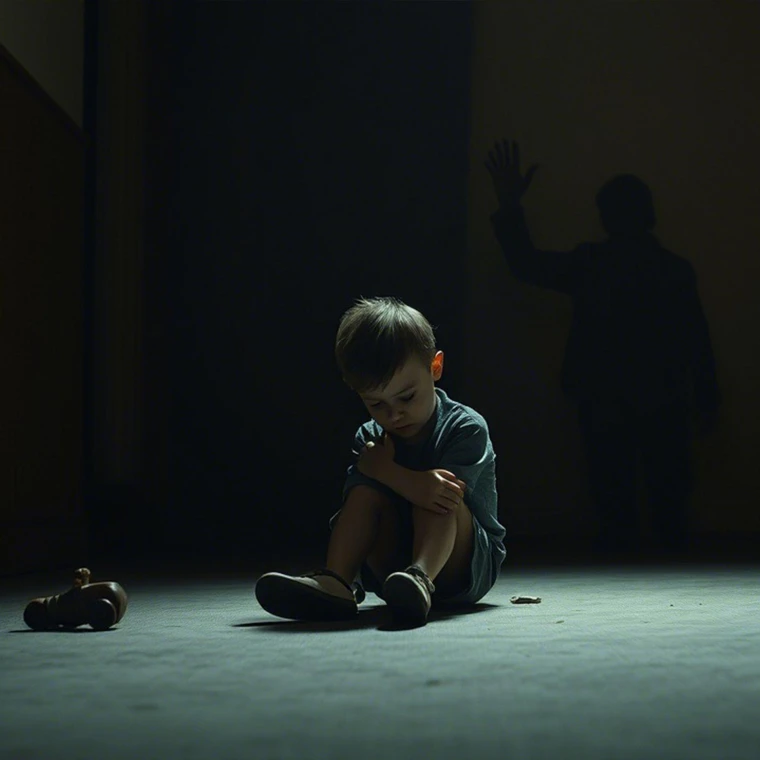
Fear of the dark is often dismissed as irrational, but in reality, it is a natural and adaptive response. It reflects the brain’s ability to operate under uncertainty and prioritize safety.
Understanding this response does not eliminate fear, but it provides context. It shows that the feeling itself is not unusual, even if the situation appears ordinary.