










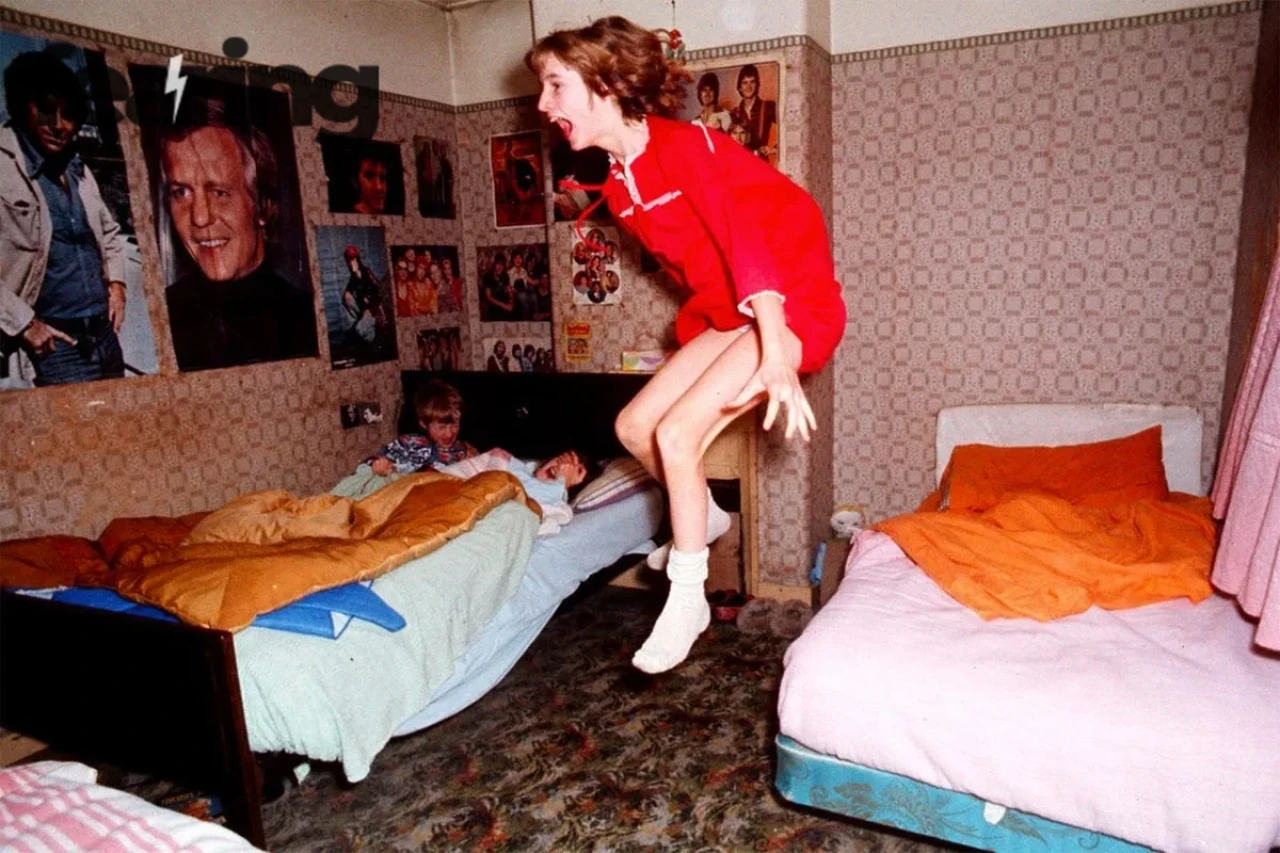
Unlike fictional horror stories, these events are tied to actual locations, witnesses, and historical records. That connection to reality is what makes them more unsettling. When something cannot be explained despite investigation, documentation, and analysis, it challenges the expectation that every event should have a clear cause.
The Dyatlov Pass Incident
In 1959, a group of experienced hikers in the Ural Mountains died under circumstances that remain unclear. Their tent was found cut open from the inside, and their bodies were discovered scattered across the snow, some with injuries that did not match typical environmental causes.
Initial investigations suggested natural explanations such as avalanche or extreme weather. However, certain details did not fully align with those conclusions. The lack of external footprints, unusual injuries, and the way the group appeared to have left their shelter raised further questions.
Modern analysis has attempted to explain the incident through rare environmental phenomena, but no single explanation has been universally accepted. According to coverage by BBC, the case remains one of the most debated unexplained events of the twentieth century.
What makes this case particularly compelling is not the idea of the paranormal itself, but the gap between evidence and explanation.
The Amityville Case
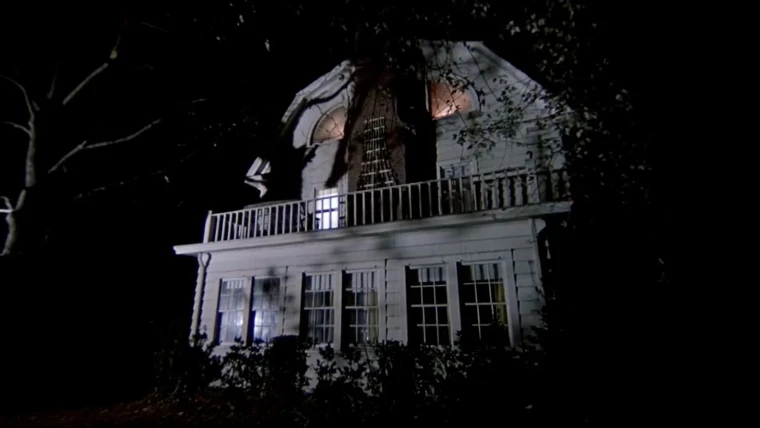
The Amityville house became widely known after a family reported experiencing disturbing events shortly after moving in. These included unexplained noises, changes in temperature, and a strong sense of presence within the house.
Skeptics have argued that the events were exaggerated or fabricated, and some elements of the story have been disputed over time. However, the case remains significant because of how it shaped public perception of haunted locations.
Research and analysis discussed by Smithsonian Magazine show that even when parts of a story are questioned, the overall impact on cultural belief can remain strong. The Amityville case continues to be referenced as a defining example of modern paranormal storytelling.
The key point is not whether every detail is accurate, but why the story continues to persist.
The Enfield Poltergeist
In the late 1970s, a family in London reported a series of unusual events, including objects moving without explanation and voices being heard within the home. The case attracted attention from investigators, media, and the public.
Unlike many other cases, this one involved multiple witnesses and extended documentation. Some investigators believed the events were genuine, while others suggested that at least part of the activity could be explained by human involvement.
Coverage referenced by National Geographic highlights the complexity of the case. Evidence appears to support both sides, making it difficult to reach a definitive conclusion.
This case illustrates how uncertainty itself can sustain belief. When evidence is mixed, interpretation becomes subjective.
Borley Rectory
Borley Rectory in England was often described as one of the most haunted buildings in the country. Reports included sightings of figures, unexplained sounds, and objects moving without clear cause.
Investigations were conducted over several years, and while some evidence was later questioned, the case remains part of paranormal history. The building itself was eventually destroyed, which removed the possibility of further direct observation.
Analysis discussed by Scientific American suggests that expectation, environment, and repeated storytelling can reinforce belief over time. Even when new evidence challenges earlier claims, the original narrative can remain influential.
Borley Rectory demonstrates how a location can become part of a larger cultural framework, regardless of whether all details are confirmed.
Why These Cases Remain Unresolved
Each of these events shares a common feature. There is enough information to make them credible, but not enough clarity to explain them completely.
Several factors contribute to this:
- incomplete or conflicting evidence
- limitations of investigation methods at the time
- influence of media and public perception
- psychological interpretation of events
- environmental conditions that are not fully understood
When these elements combine, they create situations where no single explanation is fully satisfying.
The Role of Interpretation
One of the reasons these cases continue to be discussed is that they allow for multiple interpretations. A single event can be viewed as psychological, environmental, or paranormal depending on perspective.
This flexibility keeps the discussion active. People are not just analyzing facts. They are interpreting meaning.
In many ways, these cases are less about proving what happened and more about understanding how people respond to the unknown.
Why These Stories Continue to Matter
Real paranormal cases remain relevant because they sit at the edge of what can be explained. They challenge assumptions about certainty and highlight the limits of current understanding.
Even when new theories are introduced, they rarely close the discussion completely. Instead, they add another layer to an already complex narrative.
The persistence of these stories suggests that the unknown is not simply something to be solved, but something that continues to shape curiosity, belief, and the way people interpret unusual experiences.