










What makes this topic particularly interesting is that belief does not always depend on proof. In many cases, people are fully aware that there is no clear evidence, yet the experience itself is strong enough to shape their perception of reality. This raises an important question. Why do people continue to believe in paranormal events even when those events cannot be objectively verified?
The Brain Is Designed to Detect Patterns
The human brain is constantly trying to make sense of the environment. It looks for patterns, connections, and meaning, even when the information is incomplete. This ability is useful for survival, but it can also lead to misinterpretation.
For example, a shadow in a dark room may be interpreted as movement. A random sound may be perceived as intentional. When the brain receives unclear signals, it often fills the gaps with assumptions that feel logical in the moment.
Research explained by Scientific American shows that humans are naturally inclined to recognize patterns even when none exist. This tendency, known as pattern recognition bias, plays a major role in how paranormal experiences are formed.
Fear Amplifies Perception
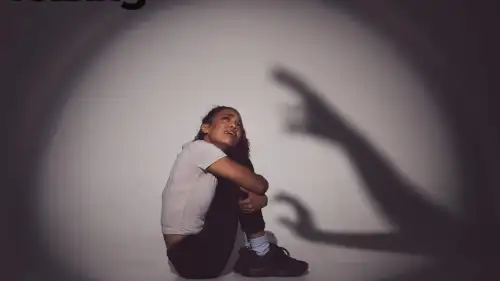
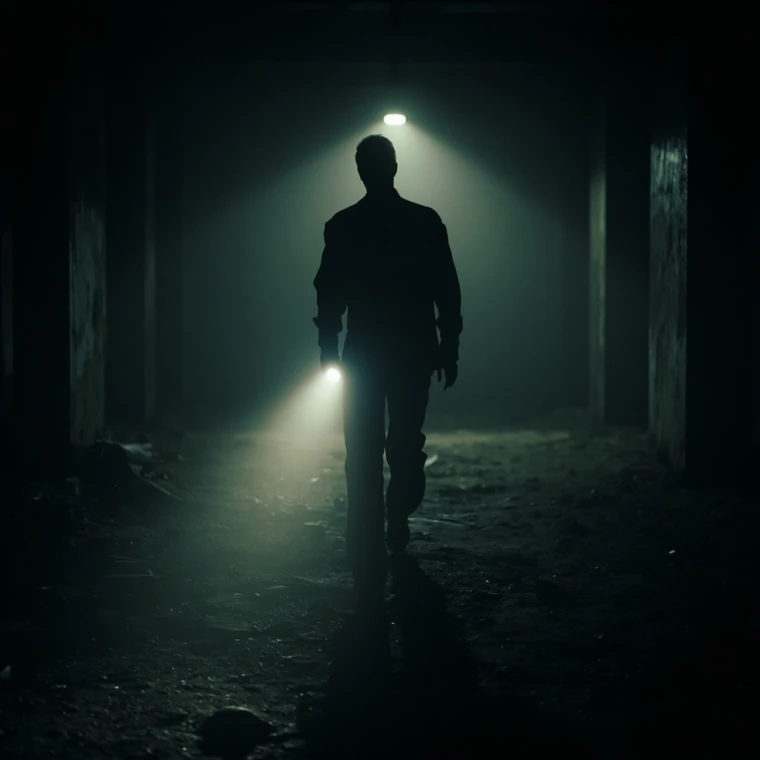
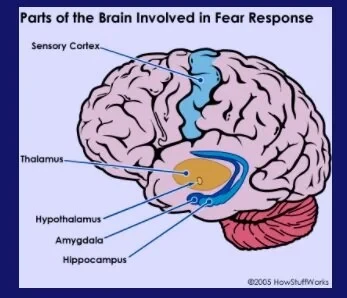
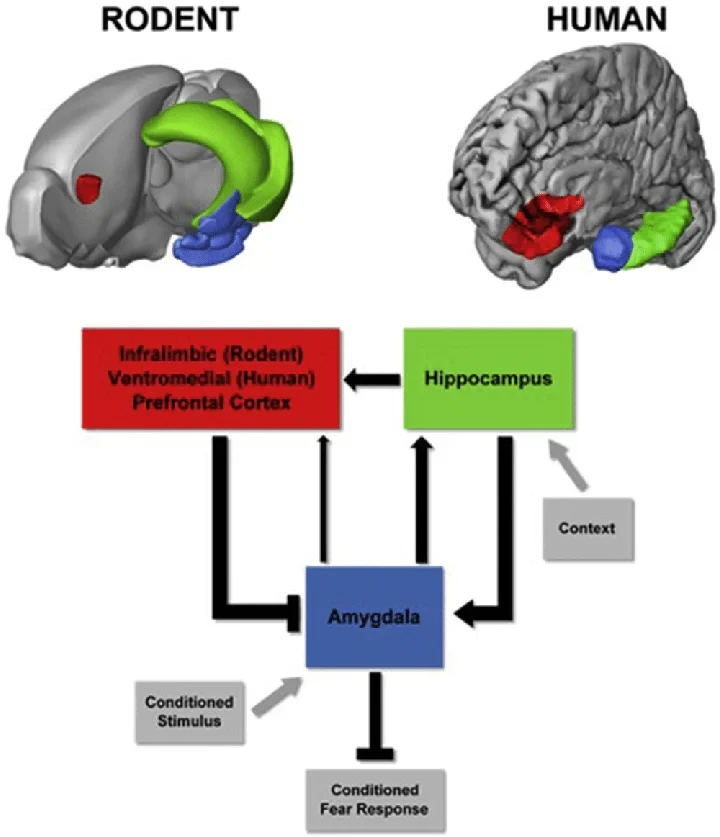
Fear is one of the strongest emotional responses the brain can produce. When a person feels unsafe or uncertain, their senses become more alert. Small details that would normally be ignored suddenly become significant.
In dark or unfamiliar environments, this effect becomes even stronger. The brain shifts into a heightened state, scanning for potential threats. As a result, ordinary stimuli can feel unusual or even threatening.
According to findings discussed by National Geographic, fear can alter perception by increasing sensitivity to sound, movement, and visual contrast. This means that what a person experiences in a fearful moment may not match what is actually present in the environment.
This does not make the experience fake. It makes it intensified.
Sleep Paralysis and Shadow Figures
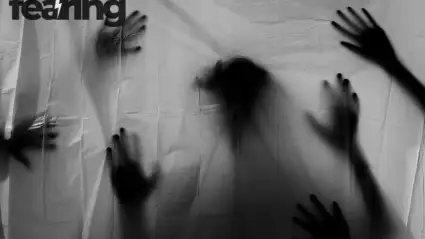
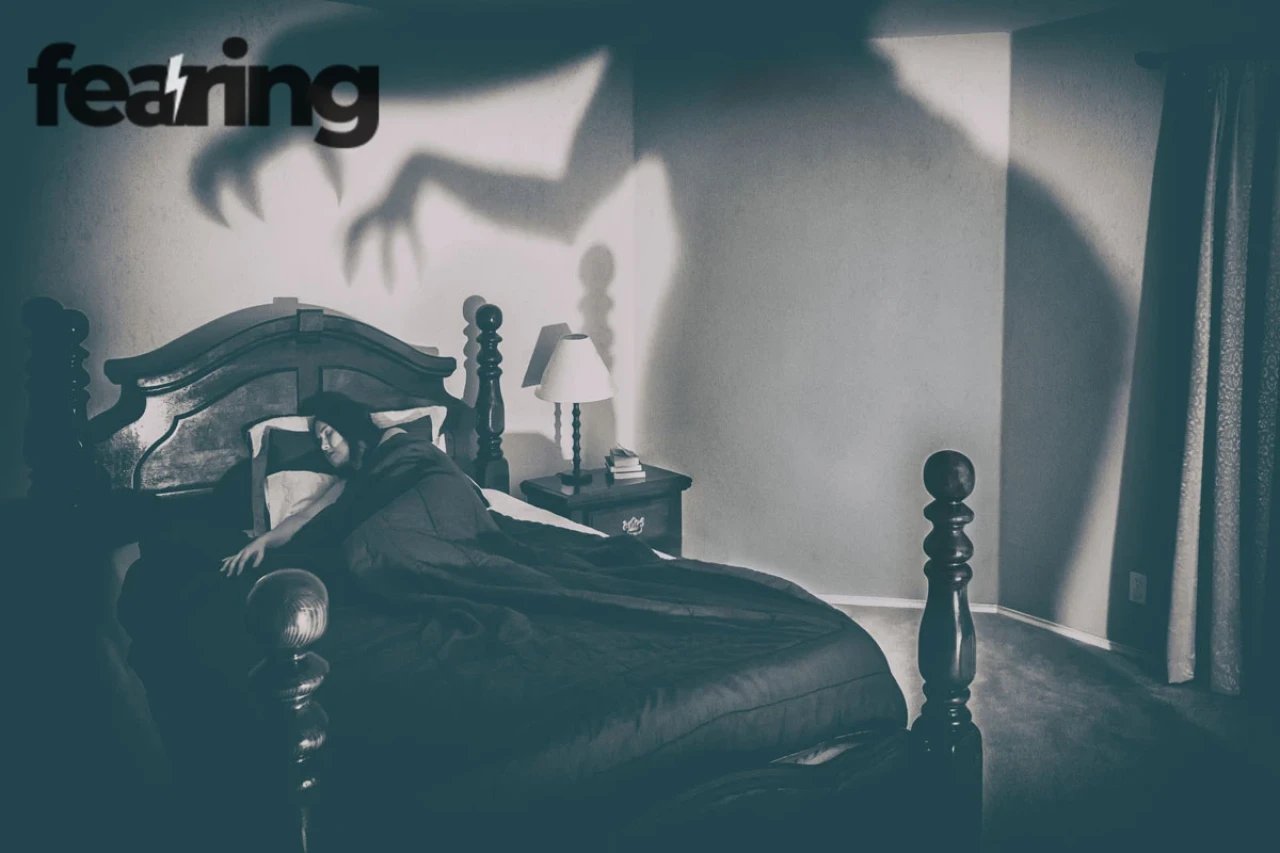
One of the most commonly reported paranormal experiences is the sensation of a presence in the room during sleep. Many people describe seeing shadow figures, feeling pressure on their body, or being unable to move.
This phenomenon is often linked to sleep paralysis, a state in which the body remains temporarily immobile while the mind becomes partially awake. During this state, the brain can generate vivid hallucinations that feel completely real.
Medical explanations referenced by BBC suggest that these experiences are the result of overlapping sleep and wake cycles. However, for the person experiencing them, the event often feels too real to dismiss as a simple neurological process.
This is a clear example of how a biological condition can create an experience that is later interpreted as paranormal.
Cultural Influence Shapes Belief
Belief in paranormal events is not only influenced by individual experience but also by cultural context. Different cultures describe similar experiences in different ways.
In some regions, a shadow figure might be described as a spirit. In others, it may be interpreted as a psychological event. The experience itself may be similar, but the explanation changes based on what people are taught to believe.
Studies highlighted by Smithsonian Magazine show that cultural background plays a major role in how unexplained events are interpreted. This explains why certain types of paranormal stories are more common in specific parts of the world.
Belief is not just about what is experienced. It is also about how that experience is explained.
The Power of Suggestion
Expectation can significantly influence perception. When people enter a place that is already described as haunted, they are more likely to interpret normal events as unusual.
A simple sound, a flicker of light, or a sudden feeling of discomfort can take on a completely different meaning when the mind is already prepared for something unusual to happen.
This effect is often referred to as suggestion. It does not require direct instruction. It can happen simply through exposure to stories, media, or reputation.
The more a person expects something, the more likely they are to perceive it.
Why These Experiences Feel Real
One of the most important aspects of paranormal belief is that the experience feels real to the person who has it. This is not something that can be easily dismissed.
When the brain processes an event, it does not label it as real or unreal. It simply reacts based on the information it receives. If that information is intense enough, the memory becomes strong, regardless of whether the cause was external or internal.
This is why people can remain convinced of an experience even after hearing a rational explanation. The explanation may make sense logically, but it does not change how the experience felt in the moment.
A Balance Between Skepticism and Curiosity
There is a tendency to approach paranormal topics from two extremes. Some people reject all experiences as imagination, while others accept them without question. Neither approach fully explains why these experiences continue to occur.
A more balanced perspective recognizes that human perception is complex. Environmental factors, psychological responses, cultural influence, and expectation all play a role in shaping what people experience.
Understanding these factors does not remove the mystery. It simply provides a clearer framework for thinking about it.
Paranormal belief continues to exist not because people ignore logic, but because human experience does not always fit neatly into logical categories.