










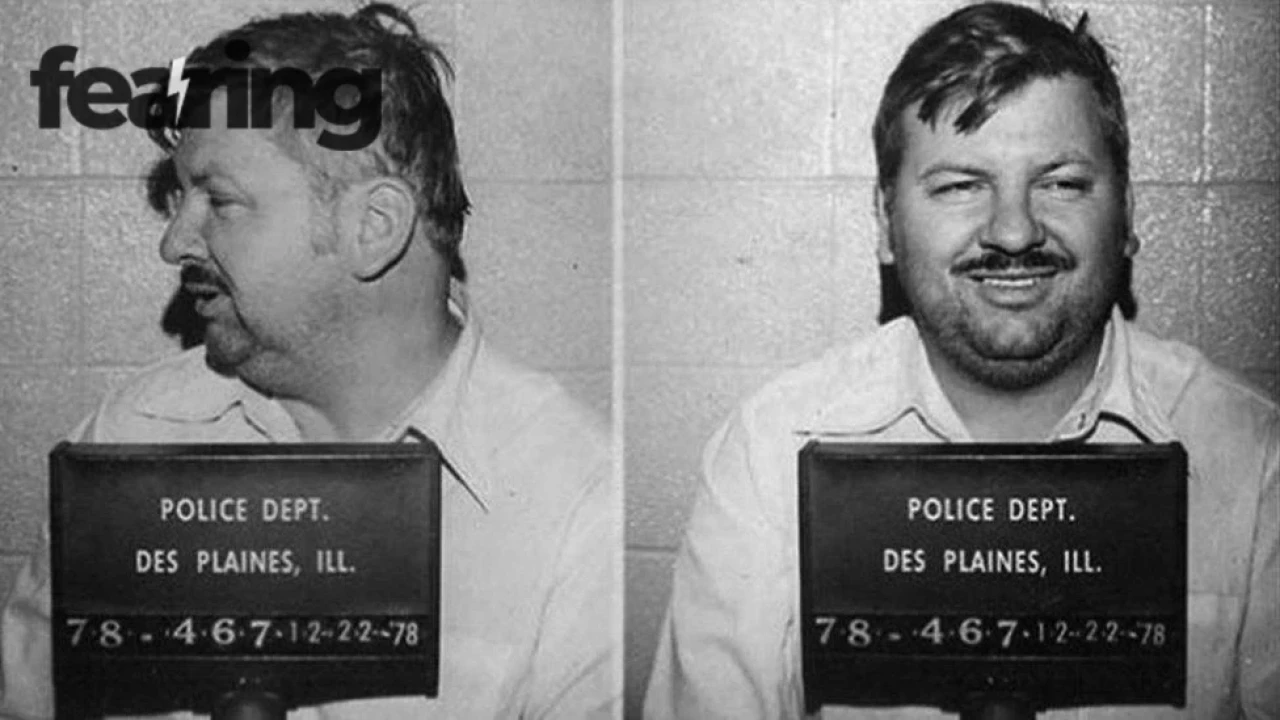
When John Wayne Gacy blended into his neighborhood as a devoted contractor and volunteer clown, few suspected the monstrous double life he led. Between 1972 and 1978, he raped, tortured, and murdered at least 33 young men and boys, many of whom were enticed into his suburban Chicago home and buried beneath its floorboards.Vikipedi+1
“He used kindness as camouflage, laughter as a weapon,” said criminal investigator Christopher Maloney, “and his house became a graveyard behind that mask.”
A Friendly Face with Dark Secrets
Born in 1942 in Chicago, Gacy had aspirations of normalcy: community involvement, charity work, local recognition. He even dressed as “Pogo the Clown” at children’s events. Yet behind that facade was a man whose craving for control and violence escalated quietly, unseen.
His ability to maintain this dual identity—respectable citizen by day, predator by night—highlights the terrifying truth that evil can be ordinary looking.
The Victims and the Pattern of Deception
Gacy typically lured his victims—often teenage boys and young men—with promises of construction work, liquor, or polite charm. Once inside his home, the horror began: handcuffs disguised as a magic trick, drinks spiked, bindings applied. Many were killed inside his home, stuffed beneath its crawl space.Vikipedi+1
| Victim Age Range | Method | Location |
|---|---|---|
| 14–21 years old | Strangulation/asphyxiation | Home crawl space |
| Young adult men | Torture & murder | House and nearby riverbanks |
| Unidentified victims | Bodies in river or unmarked graves | Multiple disposal sites |
One chilling detail: Gacy told investigators the first victim gave a knife fight, bleeding out later; he later admitted to feeling a perverse “orgasm” from the act.Vikipedi
The Discovery & Arrest
On December 21, 1978, Gacy was arrested after the disappearance of Robert Piest, a 15-year-old. Police had growing suspicion, excavated his home, and found decomposed remains in the crawl space.FBI
At his trial, he claimed alternate personalities and blamed others—yet forensic evidence proved overwhelming. He was found guilty in March 1980, sentenced to death for 33 murders.Vikipedi
Psychological Profile
Gacy demonstrated traits of psychopathy: superficial charm, manipulativeness, lack of empathy, grandiosity.
He structured his crimes methodically: luring victims, restraining them, killing them in his home, disposing of bodies.
His clown persona offered a cover of innocence, increasing accessibility and reducing suspicion.
“In Gacy, we see how ordinary interaction can mask extraordinary evil,” explained forensic psychologist Dr Park Dietz.
Societal Failures & Oversights
Several factors allowed Gacy’s spree to continue for years:
Law enforcement’s initial acceptance of his respectable community image.
Victims drawn from marginalized groups (young men, runaways) whose disappearances often received less scrutiny.
Legal loopholes and parole decisions: Gacy had a prior conviction for sexual assault of a minor yet served minimal time and resumed building his facade.Vikipedi+1
Legacy and Cultural Impact
Gacy’s case remains a dark reference point in American crime history:
His method of burying victims beneath his home has entered criminal-profiling textbooks.
The “killer clown” trope in popular culture traces directly to his dual identity.
His victims’ families and survivors continue to advocate for closure and changed policy on missing adult males.
FAQ
Q1: How many victims did Gacy have?
A1: He was convicted of murdering 33 young men and boys; he claimed possibly more.Vikipedi+1
Q2: Where were the bodies found?
A2: Twenty-six in the crawl space of his house, others in river sites or elsewhere on his property.Vikipedi
Q3: Why was he called the Killer Clown?
A3: Because he performed as “Pogo the Clown” at children’s events—ironically the same mask he used in his private horror.
Q4: Was Gacy ever released or confessed fully?
A4: He never publicly admitted full victim list. He remained on death row until executed in 1994.
Q5: What changed after his case?
A5: Increased scrutiny of missing adult males, reform in law enforcement responses, and greater awareness of predator camouflage in communities.
Sources
FBI “John Wayne Gacy” File FBI